JIBSN Seminar 2026 in Ogasawara: Toward the Future of Border Regions
2026.10.08
JIBSN Seminar 2026 in Ogasawara: Toward the Future of Border Regions
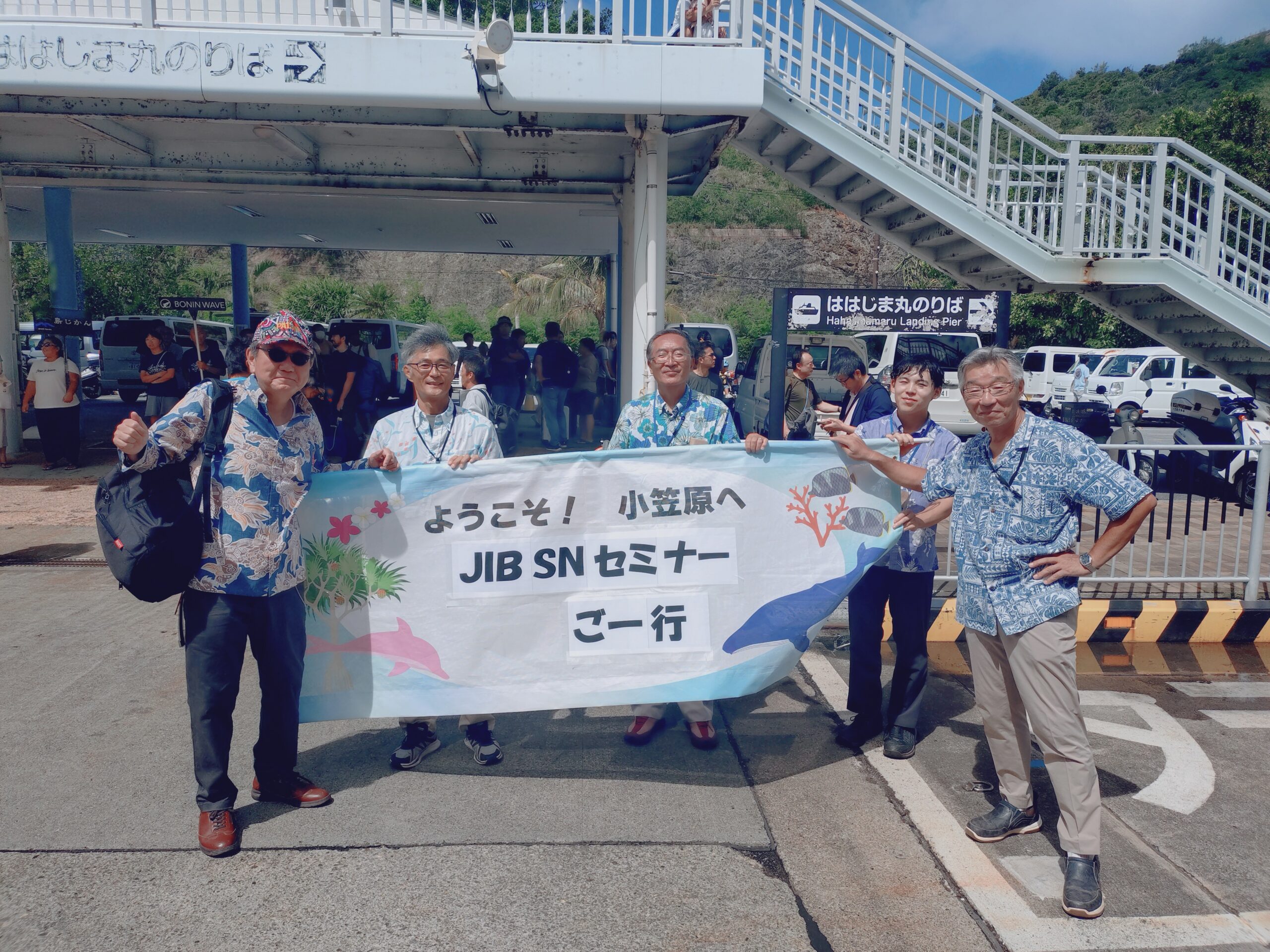
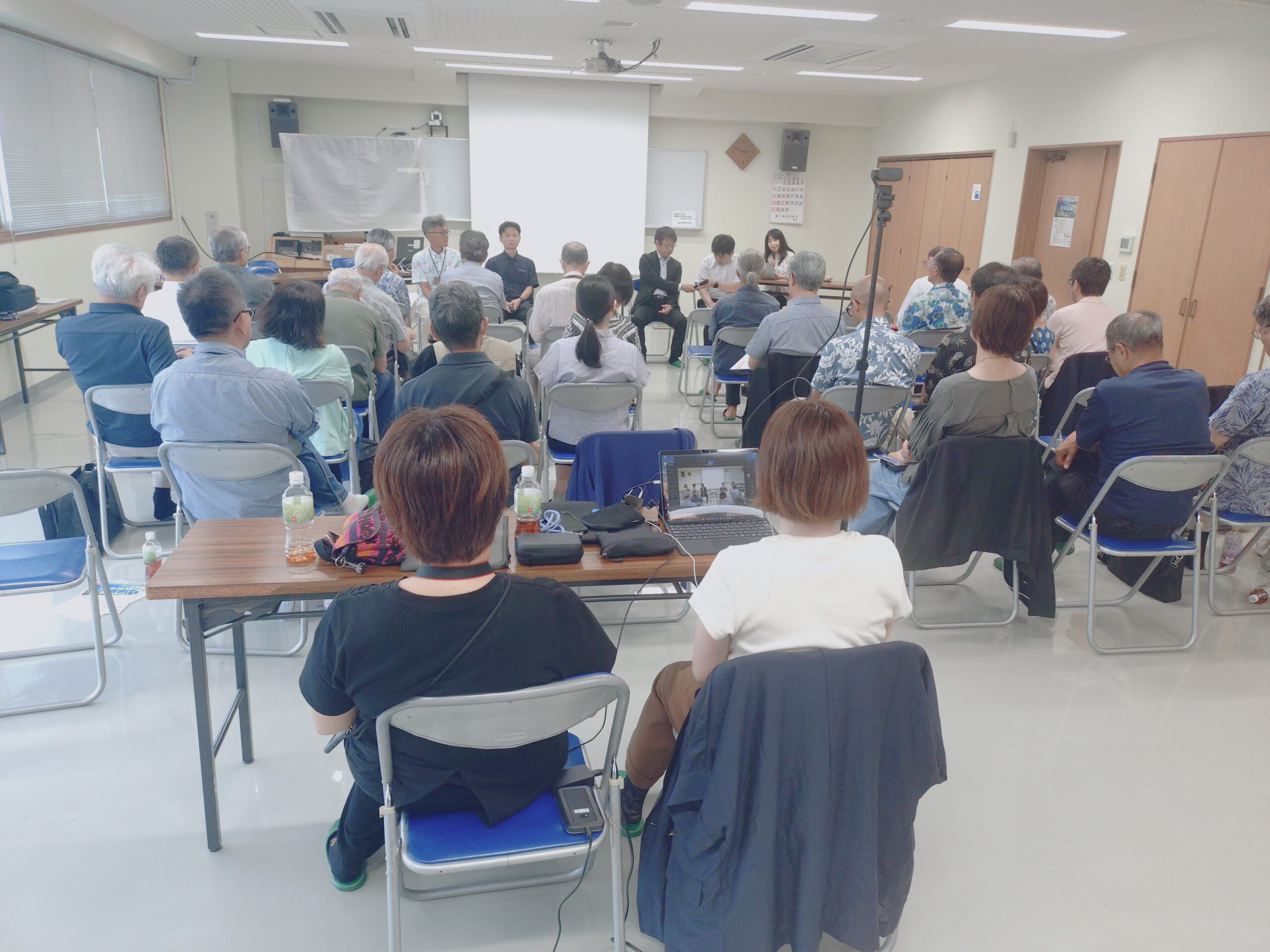
On Saturday, October 3, 2026, the JIBSN Seminar 2026 was held in a hybrid format, both in-person and online, at the Ogasawara Regional Welfare Center. Under the theme “Toward the Future of Border Regions,” this seminar was organized by the Japan International Border Studies Network (JIBSN) in collaboration with the Research Center for Global Risk (CGR) at Nagasaki University, the East Eurasian Studies unit (EES) of the Slavic-Eurasian Research Center (SRC) at Hokkaido University and other border studies related institutions. Forty people participated at the venue, including representatives from border municipalities from Hokkaido to Okinawa, members of the Japan Center for Borderlands Studies (JCBS), and residents of Ogasawara Village, while online viewership exceeded 30 people. The seminar opened with a welcome speech by Mayor Masaaki Shibuya, who also serves as the representative of JIBSN.
In Part 1, “Regarding Migration and Settlement in Border Regions” (Moderated by Professor Tomoko Seiichi of Seinan Gakuin University), real challenges and success stories in promoting migration and settlement were shared by municipal officials gathered from border islands and regions nationwide. From Taketomi Town, incorporating the real-life experiences of the Local Vitalization Cooperator, it was reported that while a job serves as the entry point for migration, the development of housing and educational environments for children is an essential challenge for permanent settlement. Wakkanai City demonstrated the potential for regional development through the branding of “coolness,” such as attracting short-term summer migrants and sports training camps by leveraging its cool climate.
Goto City introduced its track record of accepting over 1,200 migrants through the enhancement of its consultation system, as well as multifaceted measures against population decline, including the establishment of island study programs and the Goto Japanese Language School. Ogasawara Village, the local host, explained its efforts toward sustainable island building in response to the challenge of population decline due to out-migration, such as conducting migration experience tours and disseminating information through the “Ogasawara Job Picture Book.”
In Part 2, “The Future of the Border Studies Network” (Moderated by Professor Naomi Chi of Hokkaido University/EES), Professor Koji Furukawa of Chukyo University opened by looking back on the history of JIBSN, which is celebrating its 15th anniversary, and Mr. Takeru Kawamura, Secretary-General of the Rebun Town Tourism Association, gave a greeting as a surprise online guest. This session featured discussions on how border regions nationwide will support each other and connect to the future.
First, Mr. Shukichi Hokama, former mayor of Yonaguni Town and the first representative of JIBSN, explained the background behind the creation of the network, incorporating his own experiences regarding the history of Yonaguni Island up to the establishment of JIBSN. Next, Nemuro City, one of the founding members, pointed out that amidst the continuing impact of changes in the situation surrounding Russia, it is important to continue information exchange through networks like the “Etopirika Bunko” and discussions on common issues.
Subsequently, Tsushima City, also a founding member, emphasized the importance of this network and expectations for the future, including personal sentiments. Shibetsu Town, which joined later but has already hosted a seminar, proposed the effectiveness of low-cost “small measures,” such as existing public relations collaborations, benchmarking advanced cases, and online training, to address the structural challenges faced by small municipalities.
In the subsequent general discussion, following comments from Akihiro Iwashita, who serves as the secretariat at Hokkaido University, were exchanged among representatives of various municipalities, university faculty, JCBS members, and local Ogasawara participants. At the networking reception following the conclusion, Mayor Shibuya himself performed the Nanyo Odori, a traditional local performing art, sharing with all participants the feeling of weaving the network toward the future. The next event is scheduled to be held in Sapporo in October 2027.
(Akihiro Iwashita)